Ctrl+K
Sequana 0.21.2 documentation - Home Sequana 0.21.2 documentation - Home
  • Installation
  • Overview
  • Tutorial
  • Pipelines
  • Gallery
    • Case Examples
    • Applications (standalone)
    • Sequanix Tutorial
    • Developer guide
    • Wrappers
    • References
    • References (enrichment)
    • References (stats)
    • References (Viz)
    • FAQS
    • Glossary
  • Installation
  • Overview
  • Tutorial
  • Pipelines
  • Gallery
  • Case Examples
  • Applications (standalone)
  • Sequanix Tutorial
  • Developer guide
  • Wrappers
  • References
  • References (enrichment)
  • References (stats)
  • References (Viz)
  • FAQS
  • Glossary

Section Navigation

  • 5.1. Quality histogram a la fastQC
  • 5.2. read length histograms pacbio data
  • 5.3. BAM module example
  • 5.4. Coverage module example
  • 5.5. Kraken module example
  • 5.6. Pipeline statistics
  • 5.7. Running median example
  • 5. Gallery

5. Gallery#

General-purpose examples for sequana library. The following examples illustrates how Sequana library itself can be used to read and create some plots used within the pipelines.

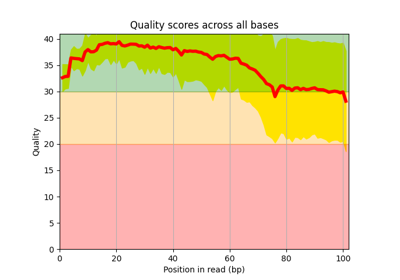
Quality histogram a la fastQC

Quality histogram a la fastQC

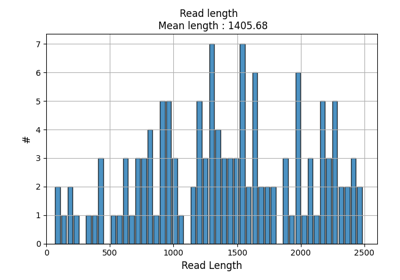
read length histograms pacbio data

read length histograms pacbio data

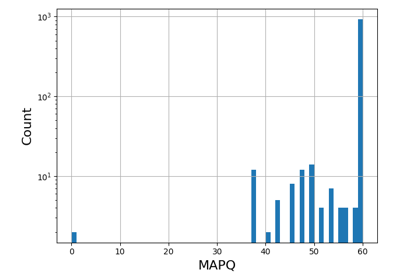
BAM module example

BAM module example

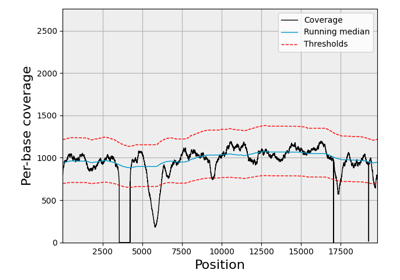
Coverage module example

Coverage module example

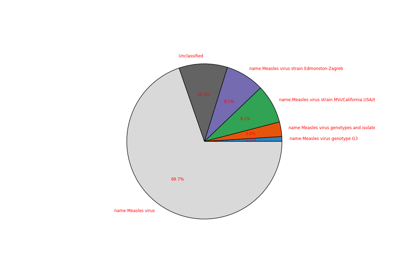
Kraken module example

Kraken module example

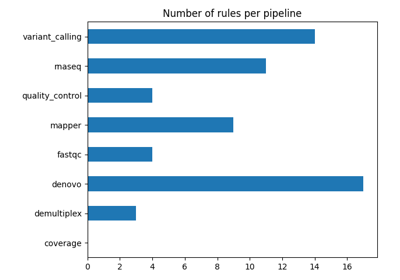
Pipeline statistics

Pipeline statistics

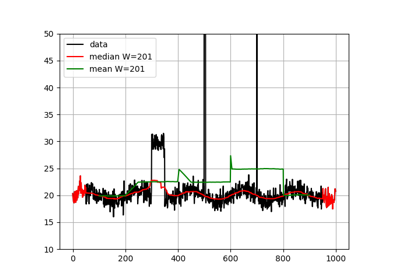
Running median example

Running median example

Download all examples in Python source code: auto_examples_python.zip

Download all examples in Jupyter notebooks: auto_examples_jupyter.zip

Gallery generated by Sphinx-Gallery

previous

4.5.8. Variant Calling

next

5.1. Quality histogram a la fastQC

Show Source

© Copyright Thomas Cokelaer, 2016-2023.

Created using Sphinx 9.0.4.

Built with the PyData Sphinx Theme 0.17.0.